

September Is Alopecia Areata Awareness Month: See the Child, Not the Hair Loss
- Written by Little heroes hair
- |
- Aug 25, 2026
- |
- 3 min read
Every September, communities across the United States observe Alopecia Areata Awareness Month—a time to recognize people living with alopecia areata, increase public understanding, reduce stigma, and remind every child and family affected by hair loss that they are not alone.
Led nationally by the National Alopecia Areata Foundation, this month-long campaign brings together individuals, families, caregivers, schools, healthcare professionals, and nonprofit organizations to create a more informed and supportive world.
At Little Heroes Hair, this mission is deeply connected to our own: helping children experiencing medical hair loss feel supported, confident, and free to be themselves.
What Is Alopecia Areata?
Alopecia areata is an autoimmune disease. It develops when the immune system mistakenly attacks the hair follicles, causing hair loss.
Hair loss often begins in small, round patches on the scalp or face, although it may become more extensive. Some people lose all the hair on their scalp, while others may experience hair loss across the entire body.
Alopecia areata can affect people of any age, and it often begins during childhood. It is not contagious, and it is not caused by poor hygiene or anything a child or parent did wrong.
Many people with alopecia areata are otherwise healthy. However, the visible and unpredictable nature of hair loss can create emotional and social challenges that are not always easy for others to see.
For a Child, Hair Loss Can Affect More Than Appearance
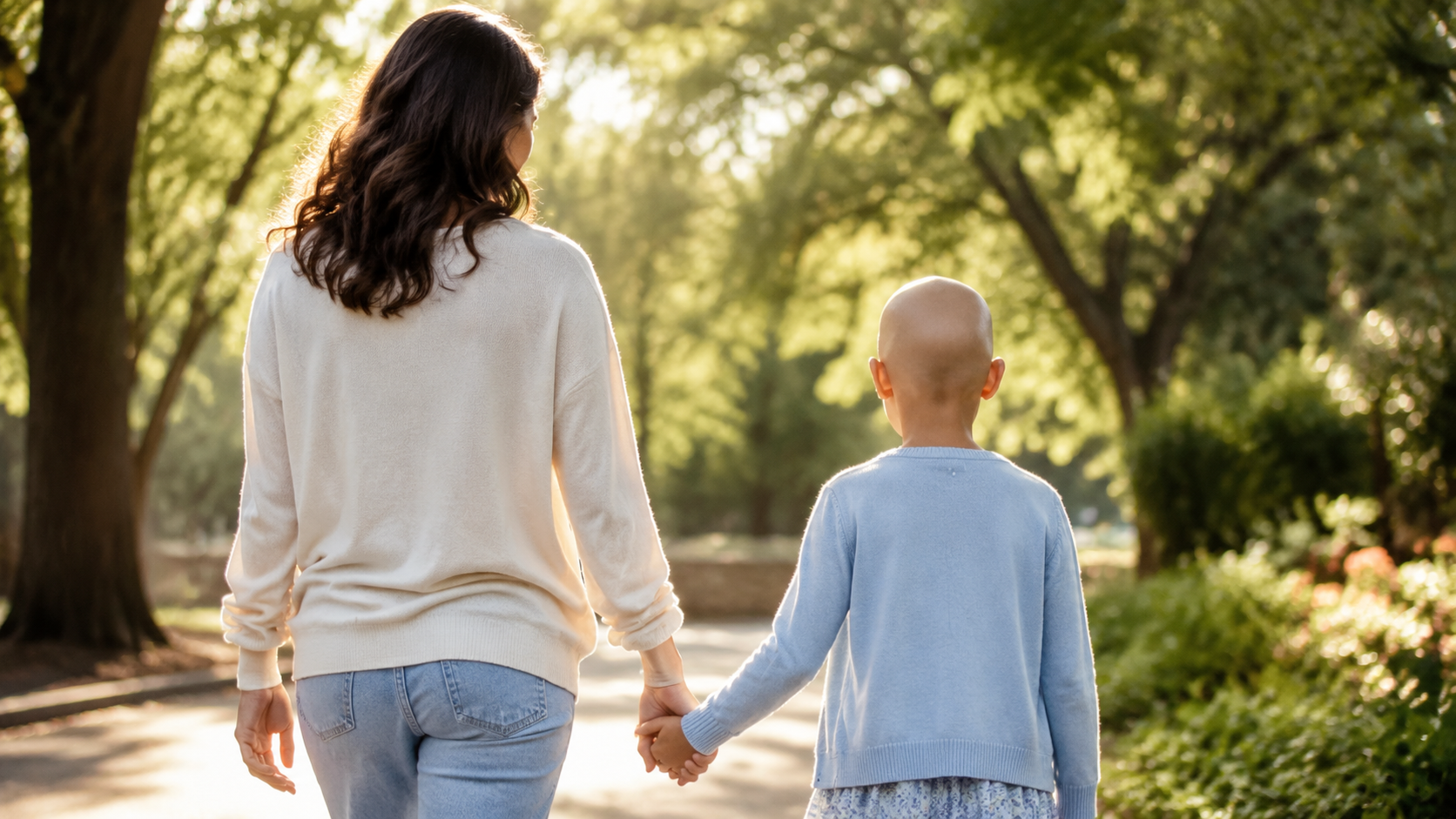
A child experiencing alopecia areata may worry about returning to school, being asked uncomfortable questions, appearing in photographs, joining sports, or being treated differently by classmates.
Some children may openly talk about their feelings. Others may become quieter, avoid social activities, wear hats more often, or seem unusually anxious about school.
The National Alopecia Areata Foundation notes that children living with alopecia areata may experience anger, anxiety, depression, or social isolation. Younger children may also have difficulty recognizing or explaining these emotions.
That is why support must go beyond focusing only on hair regrowth. Children also need reassurance, patience, honest conversations, and the freedom to decide how they want to present themselves.
A Wig Is a Choice, Not a Requirement

Every child responds to hair loss differently.
Some feel comfortable showing their hair loss. Others prefer hats, scarves, or head coverings. Some children want a wig that closely resembles their natural hair, while others see a wig as an opportunity to try a completely new color or style.
There is no single correct response.
A wig should never be presented as something a child needs in order to be accepted or beautiful. Instead, it can be one more choice—a tool that may help a child feel comfortable returning to school, participating in activities, taking family photos, or simply recognizing themselves in the mirror.
The child’s comfort and preferences should always guide the decision.
How Adults Can Support a Child With Alopecia Areata
Parents, relatives, teachers, coaches, and friends can all make a meaningful difference.
Listen Before Offering Solutions
Give the child space to explain what they are feeling. Avoid immediately telling them not to worry or promising that their hair will grow back. A simple response such as “I’m here for you” can be more reassuring than trying to solve every concern.
Let the Child Guide the Conversation
Ask how they would like their hair loss explained to classmates, relatives, or other adults. Some children may want help answering questions, while others may prefer not to discuss it.
Prepare the School Environment
Parents can speak privately with teachers, counselors, or school administrators about preventing bullying and responding appropriately to questions from other students.
Respect Their Choices
A child’s preferences may change. They may want to wear a wig one day and go without it the next. Supporting those choices helps restore a sense of control during an unpredictable experience.
Watch for Emotional Changes
Withdrawal, sleep changes, persistent sadness, anxiety, or loss of interest in normal activities may signal that a child needs additional support. Families can speak with a pediatrician, dermatologist, school counselor, or licensed mental health professional when concerns arise.
How to Participate in Alopecia Areata Awareness Month
Awareness grows when information is followed by meaningful action. During September, individuals and organizations can:
- Share reliable information about alopecia areata
- Correct myths and insensitive assumptions
- Speak up against hair-loss-related bullying
- Invite schools and community groups to hold awareness activities
- Support children and families affected by alopecia
- Join a local or virtual awareness event
- Donate or volunteer with organizations serving the hair-loss community
- Share stories with permission while protecting children’s privacy
The National Alopecia Areata Foundation will conclude the 2026 awareness month with its Walk for Alopecia on September 26, bringing together families, supporters, healthcare professionals, and advocates at locations across the country and through “Walk Where You Are” participation.
Every conversation, shared resource, and act of support helps replace misunderstanding with empathy.
How Little Heroes Hair Supports Children
Little Heroes Hair provides free, custom-made human hair wigs to eligible children under the age of 18 who are experiencing hair loss due to alopecia, cancer treatment, and other medical conditions.
Each wig is created according to the child’s measurements and preferences, including hair color, length, texture, and style. Our goal is not to hide who a child is, but to give them another way to express themselves and feel comfortable during their hair-loss journey.
There is no cost to eligible families.
If your child or a child you know is experiencing medical hair loss, we invite you to learn more about our program and application requirements.
Learn more about free wigs for children at Little Heroes Hair.
This September, Help Every Child Feel Seen
Alopecia areata may change a child’s hair, but it does not change their personality, talents, dreams, or worth.
This September, let us look beyond hair loss. Let us listen to children, respect their choices, challenge stigma, and build communities where no child feels they need to hide.
Awareness begins with learning—but its real impact is measured by how we treat one another.
A Wig, A Smile, A Happier Child.
Comments
No comments yet.