

Cold Weather Scalp Care for Children With Hair Loss: A Gentle Winter Guide for Parents
- Written by Little heroes hair
- |
- Oct 30, 2026
- |
- 6 min read
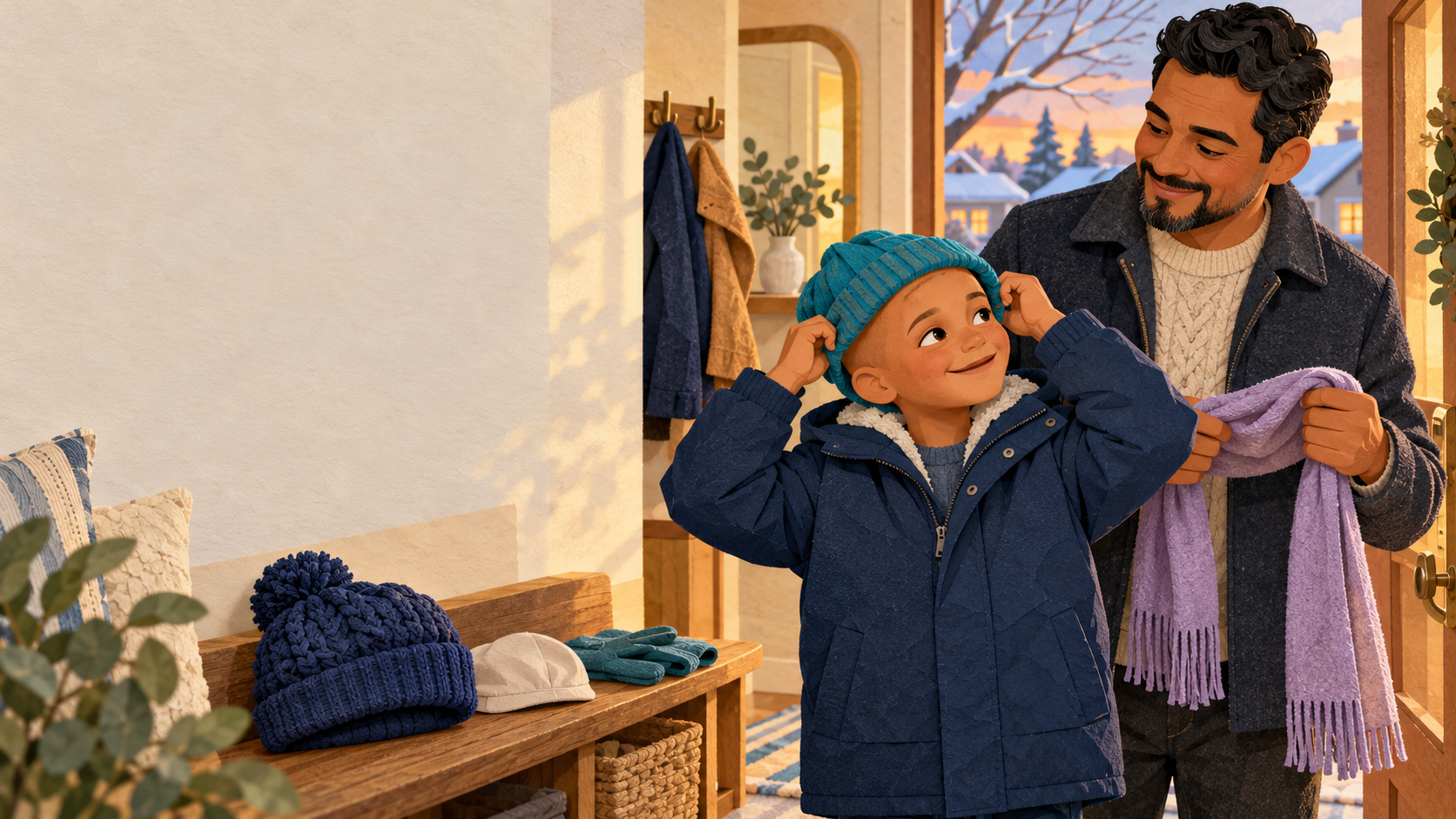
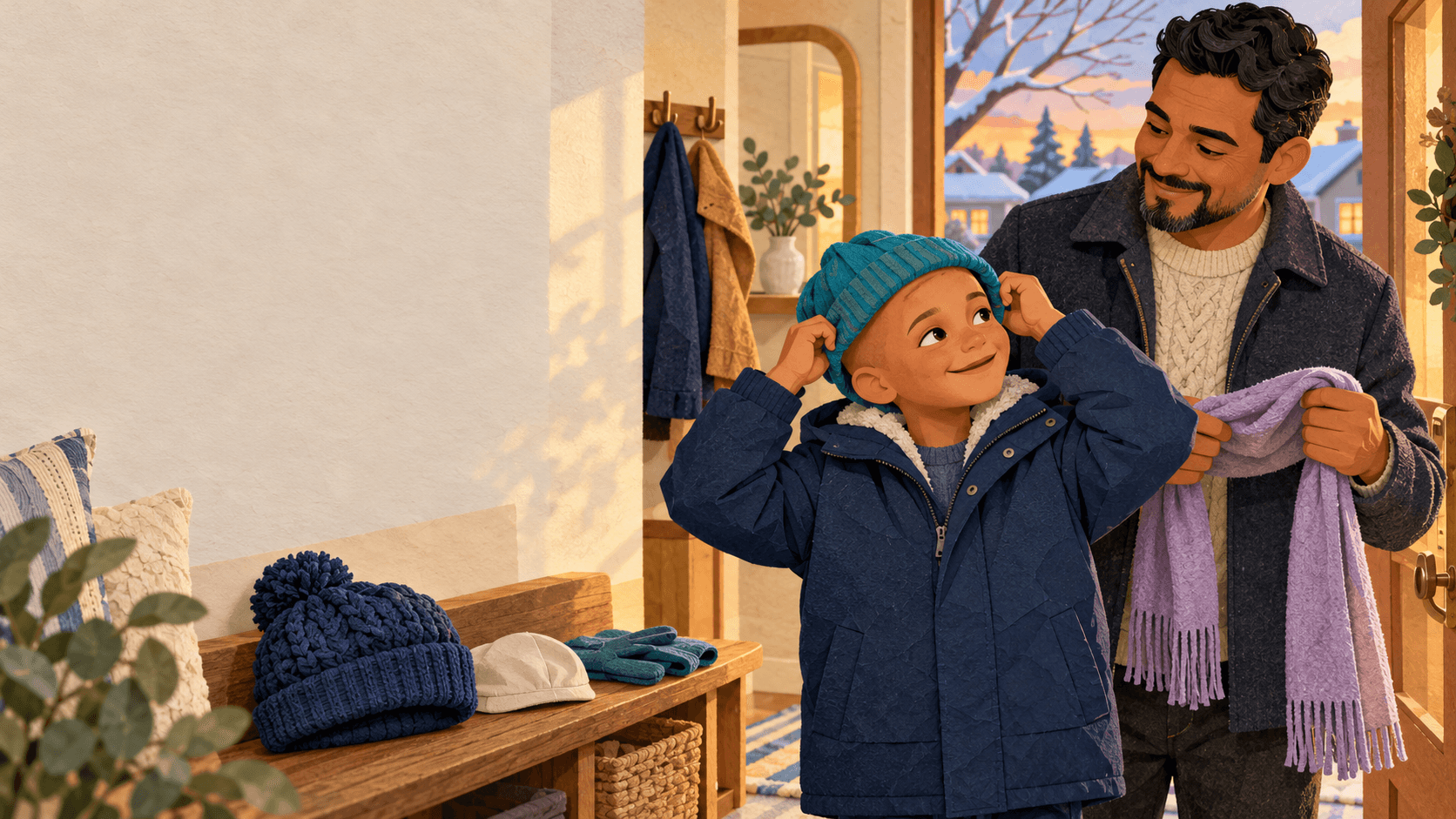
Cold weather brings warm coats, holiday activities, and more time indoors. For children experiencing hair loss, it can also bring a new set of comfort concerns.
A child may notice that their scalp feels colder outdoors, drier in heated rooms, or more sensitive beneath a wig or winter hat. Wind, low humidity, friction, and sudden changes between outdoor and indoor temperatures can all affect how comfortable a child feels.
These concerns may be especially important for children experiencing alopecia areata, cancer-treatment-related hair loss, burn-related hair loss, congenital conditions, or other medical causes of hair loss.
The goal of winter scalp care is not to create a complicated routine. It is to keep the child comfortable, protect sensitive areas, and make adjustments based on their individual needs.
Why Winter May Feel Different for a Child With Hair Loss
Hair helps provide a layer of protection for the scalp. When some or all of that hair is missing, a child may notice cold air, wind, sunlight, and changes in temperature more quickly.
The American Academy of Dermatology notes that hair loss on the scalp, inside the ears, or in the nose can increase sensitivity to cold temperatures. Areas with thinning or absent hair may also be more vulnerable to sunburn, including during winter.
At the same time, indoor heating can make the air feel dry. Hats, wig liners, and wigs may add warmth, but they can also create friction or trap moisture if a child becomes too hot.
Every child will experience these changes differently. One child may want a hat whenever they go outside, while another may feel more comfortable without one.
The child’s comfort should guide the routine.
1. Begin With the Child’s Individual Care Plan
Winter scalp care depends on the cause of the child’s hair loss and the condition of their skin.
A child with alopecia areata may have different needs from a child currently receiving chemotherapy. A child with burn-related scarring, an active skin condition, or a healing surgical area may need additional precautions.
Families can ask the child’s healthcare team:
How often should the scalp be washed?
Are there ingredients or products we should avoid?
Is a moisturizer recommended for the scalp?
What type of sunscreen is appropriate?
Can the child wear a wig or hat for extended periods?
What signs of irritation should we report?
Follow the child’s medical instructions before introducing new oils, lotions, scalp treatments, adhesives, or medicated products.
2. Keep Cleansing Gentle
A sensitive scalp does not necessarily need frequent or aggressive washing.
Use lukewarm water rather than very hot water. Hot water may feel comforting in cold weather, but it can leave already-sensitive skin feeling drier.
Choose a mild cleanser or shampoo recommended for the child. Products containing strong fragrance, alcohol, or harsh ingredients may cause discomfort for some children.
When washing the scalp:
Use fingertips rather than fingernails
Avoid vigorous rubbing or scratching
Rinse thoroughly
Pat the scalp dry with a soft towel
Avoid high heat from a hair dryer
Make sure the scalp is dry before putting on a wig or close-fitting hat
The National Cancer Institute recommends gentle hair and scalp care during cancer treatment, including mild shampoo, soft towels, and avoiding tools or products that may hurt the scalp.
3. Moisturize Carefully
If the scalp feels dry, itchy, or tight, ask the child’s healthcare professional whether a moisturizer is appropriate.
Use only a product suitable for the child’s age, skin condition, and treatment plan. Fragrance-free products are often more comfortable for sensitive skin, but even a gentle product may not be right for every child.
When introducing a new product:
Use only a small amount
Follow the label and healthcare team’s directions
Avoid applying it to broken or inflamed skin unless instructed
Stop if the child experiences burning, swelling, worsening redness, or pain
Allow the product to absorb before placing a wig or liner over the area
Do not assume that a product labeled “natural” or “for sensitive skin” will automatically be safe for a particular child.
4. Choose Warmth Without Uncomfortable Pressure
A winter hat can provide warmth and protection, but it should not feel tight or rough.
Look for:
Soft, smooth fabric
Minimal seams along sensitive areas
Enough room for a wig, if worn
A fit that stays secure without leaving pressure marks
A style the child actually likes
Check labels, elastic bands, decorative pieces, and interior seams. A small rough area may become uncomfortable after extended wear.
Let the child try the hat at home before wearing it for a full school day or outdoor activity. Ask them to turn their head, bend down, run, and wear the hat for at least 15 minutes.
A good winter hat should feel protective—not restrictive.
5. Test Hats and Wigs Together
A hat that fits comfortably on an uncovered scalp may feel completely different over a wig.
Wearing a tight hat over a wig may create pressure around the hairline, ears, or back of the head. It may also shift the wig or flatten the style.
Before going outside, check:
Does the hat press the wig into the scalp?
Does the wig move when the child turns their head?
Is there pressure behind the ears?
Does the child become too warm?
Can the child remove the hat without pulling the wig?
A slightly roomier hat may work better over a wig. Some children may prefer a hood, ear warmer, scarf, or another option that creates less pressure.
Avoid pinning or attaching a hat directly to a wig unless the child’s wig specialist has confirmed that it can be done safely.
6. Pay Attention to Heat and Moisture
Children can move quickly between cold outdoor air, heated cars, classrooms, stores, and homes.
A child who needs several warm layers outdoors may become hot indoors. Sweat or dampness beneath a wig or hat can increase discomfort.
Encourage the child to take off unnecessary layers when they are safely indoors. If a liner or hat becomes damp, replace it with a clean, dry one when possible.
After outdoor activities:
Remove the hat or hood.
Ask whether the scalp feels hot, itchy, sore, or damp.
Remove or adjust the wig if the child wants a break.
Let the scalp dry completely.
Check for pressure marks or irritation.
A child should always feel comfortable telling an adult that something feels wrong.
7. Remember Winter Sun Protection
Cold weather does not eliminate the risk of sun exposure.
Snow, water, and light-colored surfaces can reflect sunlight. Outdoor sports, school recess, holiday outings, and winter travel may still leave an uncovered scalp exposed.
The American Academy of Dermatology recommends protecting areas affected by hair loss with a hat, wig, or broad-spectrum, water-resistant sunscreen with SPF 30 or higher.
Ask the child’s healthcare team which sunscreen is appropriate, especially if the child is receiving treatment or has very sensitive skin.
Remember to protect other areas affected by hair loss, including the eyebrows and ears.
8. Prepare a Winter Comfort Kit
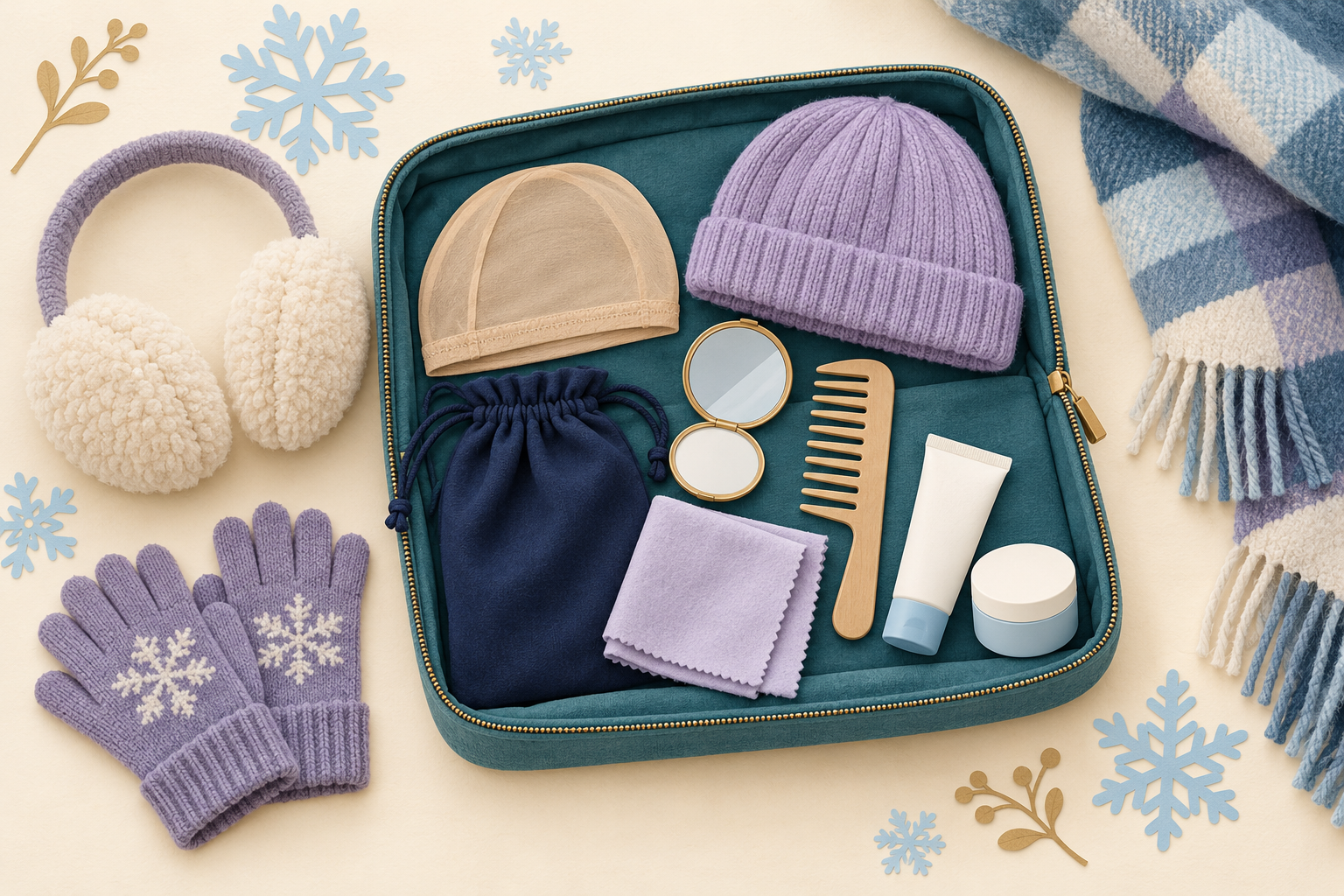
A small comfort kit can help a child handle unexpected weather or discomfort at school, during travel, or at an outdoor event.
Depending on the child’s needs, the kit may include:
A soft backup hat or scarf
A clean wig liner
A breathable wig-storage bag
A small mirror
A wide-tooth comb
A soft cloth
Sunscreen approved for the child
A moisturizer recommended by the healthcare team
The kit does not need to be large or medical-looking. It can be stored in a backpack, school nurse’s office, car, or caregiver’s bag.
Make sure the child knows where it is and which trusted adult can help.
9. Let the Child Make Appearance Decisions
Adults may focus on hats and wigs as ways to stay warm, but children may also think about how those items affect their appearance.
A child may love wearing a winter beanie one day and dislike it the next. They may want their wig visible at a holiday gathering but prefer a soft hat during recess. They may also choose to leave their scalp uncovered for a short period.
Whenever it is safe, offer choices rather than instructions based only on appearance.
Try saying:
“Would you like your wig, your blue hat, or your scarf today?”
“Does anything feel tight or itchy?”
“Would you like to take a break from your wig when we get home?”
“Do you want help, or would you like to adjust it yourself?”
Supporting small choices can help a child feel more in control of a situation they did not choose.
10. Know When to Contact a Healthcare Professional
Winter dryness and temporary pressure marks may be minor, but families should not ignore new or worsening scalp symptoms.
Contact the child’s healthcare team if the child develops:
Persistent or worsening redness
Significant itching, burning, or pain
Cracks, bleeding, blisters, or open skin
Swelling, unusual warmth, or drainage
A spreading rash
Irritation after using a new product
Scalp symptoms accompanied by fever or feeling unwell
Children receiving cancer treatment or taking medicines that affect the immune system may need medical advice sooner. Follow the instructions provided by their treatment team.
A Simple Daily Winter Scalp Check
A short check can make winter routines easier.
Before Leaving Home
- Is the scalp clean and completely dry?
- Does the wig or head covering feel comfortable?
- Is the hat creating pressure?
- Does the child have protection from cold and sun?
- Is a backup option available?
After Returning Indoors
- Is the scalp damp or overheated?
- Are there pressure marks?
- Does anything feel itchy, tight, or painful?
- Does the wig or liner need time to air out?
- Would the child like a break from wearing it?
This check should feel supportive, not like an inspection. Older children may prefer to do it privately.
Comfort Comes Before a Perfect Winter Routine
There is no single winter scalp-care routine that works for every child.
Some children feel most comfortable wearing a wig and hat together. Others prefer a soft scarf, hood, or uncovered scalp. The best routine is one that protects the child’s skin, follows medical guidance, and respects the child’s preferences.
Winter care does not need to focus on hiding hair loss. It can focus on warmth, comfort, confidence, and helping a child participate fully in school, family activities, travel, and play.
At Little Heroes Hair, we believe every child deserves to feel comfortable and confident in every season. We provide free, customized human-hair wigs to eligible children ages 0–18 experiencing medically related or congenital hair loss.
To learn more about our program or begin an application, visit littleheroeshair.org.
This article is for general educational purposes and is not a substitute for medical advice. Families should follow the individual guidance provided by their child’s healthcare team.
Sources and Further Reading
American Academy of Dermatology: Alopecia Areata Self-Care
National Cancer Institute: Hair Loss and Cancer Treatment
American Academy of Dermatology: Dermatologists’ Tips for Relieving Dry Skin
Comments
No comments yet.