

Childhood Hair Loss: Common Causes, Warning Signs, and Gentle Care Tips
- Written by Little heroes hair
- |
- Sep 22, 2026
- |
- 6 min read
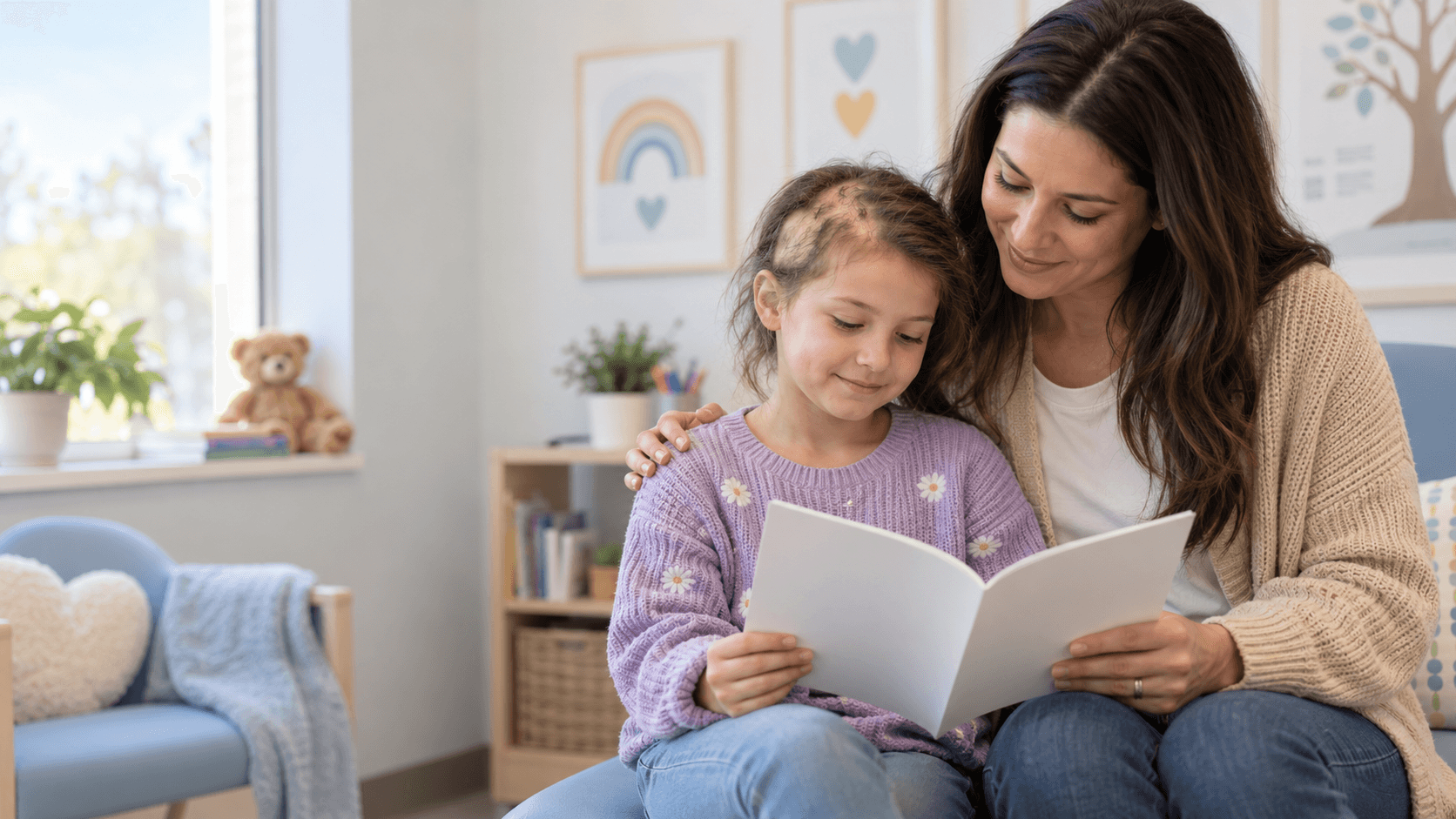
Hair loss can be upsetting at any age, but when it happens to a child, families often feel especially worried. Parents may wonder whether the hair will grow back, whether the condition is contagious, or whether it signals a more serious medical problem.
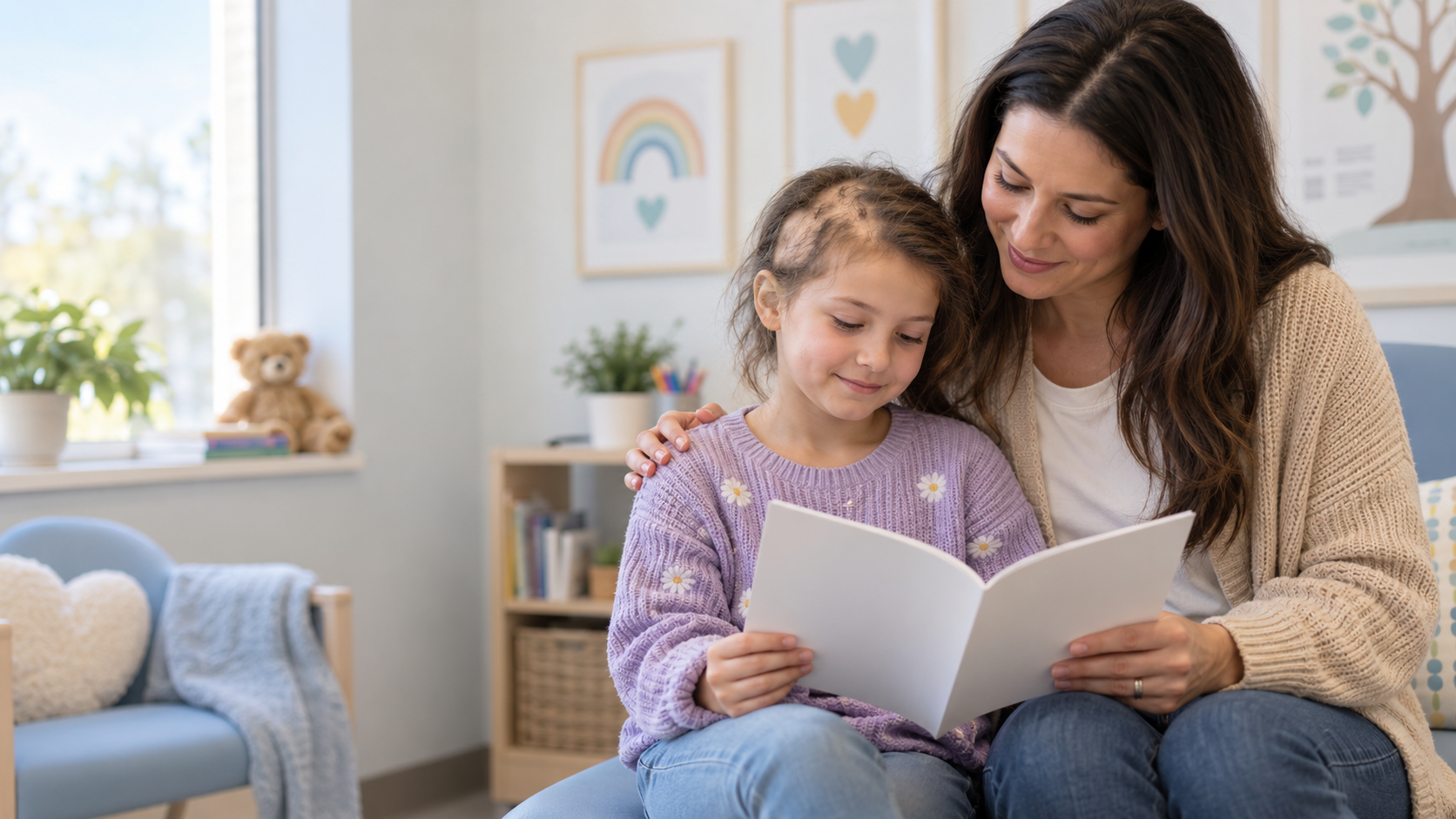
Childhood hair loss—also called pediatric alopecia—is not one single condition. It can result from autoimmune disease, cancer treatment, infection, physical damage, emotional stress, burns, congenital conditions, or certain hair-care practices.
Some causes are temporary and treatable. Others may require long-term medical care or supportive options such as hats, scarves, or wigs. The most important first step is identifying the cause.
Is Hair Loss Normal in Children?
Some hair shedding is part of the normal hair-growth cycle. It is also common for newborns to lose some or even most of their first hair during the first few months of life before new hair grows in.
However, noticeable bald patches, rapidly thinning hair, broken hairs, scalp irritation, or significant shedding in an older child should be discussed with a pediatrician or dermatologist.
Hair loss itself is a symptom—not a diagnosis. Two children with similar-looking bald patches may have completely different underlying conditions and require different care.
Common Causes of Hair Loss in Children
1. Alopecia Areata
Alopecia areata is an autoimmune disease. It develops when the immune system mistakenly attacks healthy hair follicles, causing hair to fall out.
It often begins with one or more smooth, round or oval bald patches. The scalp usually does not appear flaky or severely irritated. Alopecia areata may also affect the eyebrows, eyelashes, and other areas of the body.
Some children experience only a few patches and later see their hair regrow. Others may experience recurring or more extensive hair loss. Complete loss of scalp hair is called alopecia totalis, while loss of hair across the scalp and body is called alopecia universalis.
Alopecia areata is not contagious, and neither the child nor the parent caused it.
2. Hair Loss During Cancer Treatment
Certain chemotherapy medicines can cause hair loss because they affect rapidly growing cells, including the cells involved in hair growth. Radiation therapy may also cause hair loss in the specific area being treated.
Not every cancer treatment causes the same degree of hair loss. The timing, pattern, and likelihood of regrowth depend on the treatment plan, dosage, and individual child.
Hair often begins growing again after chemotherapy ends, although its initial color or texture may be different. Following high-dose radiation therapy, hair in the treated area may grow back thinner or, in some cases, may not fully return.
Families should ask the child’s oncology team what changes to expect and how to care for the scalp safely during treatment.
3. Tinea Capitis—or Scalp Ringworm
Tinea capitis is a fungal infection of the scalp and is a common medical cause of patchy hair loss in children.
Despite its name, ringworm is not caused by a worm. Signs may include:
• Scaly or flaky patches
• Broken hairs or short “black dots”
• Itching or irritation
• Redness or swelling
• Crusted bumps or sores
• Swollen lymph nodes in the neck
Tinea capitis can spread through close contact or shared objects such as combs, brushes, hats, towels, and hair accessories. It usually requires prescription antifungal medication taken by mouth; ordinary shampoo alone is generally not enough to clear a scalp infection.
If scalp ringworm is suspected, the child should be evaluated by a healthcare professional.
4. Traction Alopecia
Traction alopecia occurs when repeated pulling places too much tension on the hair and follicles.
It can be associated with consistently tight:
• Ponytails or buns
• Braids or cornrows
• Hair extensions or weaves
• Barrettes, clips, or headbands
• Hairstyles that pull strongly along the hairline
Early traction alopecia may improve when the pulling stops. Continued tension, however, can damage the follicles and may eventually cause permanent hair loss.
A hairstyle should not cause pain, headaches, bumps, or excessive tightness. Rotating styles and choosing looser hairstyles can help protect a child’s hairline.
5. Telogen Effluvium
Telogen effluvium is temporary, widespread shedding that can occur after the body experiences physical or emotional stress.
Possible triggers include:
• A high fever
• Serious illness
• Surgery or hospitalization
• Major emotional stress
• Sudden nutritional changes
• Certain medications
The shedding may not begin until several weeks or months after the triggering event, which can make the cause difficult for families to recognize. Unlike alopecia areata, telogen effluvium usually causes overall thinning rather than completely smooth bald patches.
Hair growth often gradually returns as the normal growth cycle resets, but a healthcare professional should still evaluate significant or persistent shedding.
6. Trichotillomania
Trichotillomania is a condition involving repeated urges to pull, twist, or break the hair. Some children may not realize they are doing it, especially when they are concentrating, anxious, tired, or trying to soothe themselves.
Hair loss may look uneven, with broken hairs of different lengths and areas of short stubble.
Parents should avoid shaming or punishing a child for hair pulling. Older children and teenagers may benefit from support from a pediatrician, therapist, or other qualified mental health professional.
7. Burns, Injuries, and Scarring
Thermal burns, chemical burns, surgery, serious infections, or other injuries can damage the scalp.
If the injury is superficial and the follicles remain intact, hair may eventually grow back. Deeper injuries may destroy follicles and form scar tissue, resulting in permanent hair loss in the affected area.
Burned or scarred skin requires individualized medical care. Families should follow the child’s burn, dermatology, or surgical team’s instructions rather than applying oils, hair-growth products, adhesives, or home remedies to the area without approval.
8. Congenital and Genetic Hair Conditions
Some children are born with little or no hair, while others develop unusually sparse, fragile, or slow-growing hair during infancy or childhood.
Congenital alopecia and hypotrichosis are broad terms describing conditions in which hair is absent or grows sparsely. These conditions may occur alone or as part of a genetic syndrome affecting the skin, nails, teeth, immune system, or other parts of the body.
A pediatric dermatologist or genetic specialist may be needed to identify the condition and determine whether additional medical evaluation is appropriate.
9. Nutritional, Hormonal, and Other Medical Conditions
Hair growth depends on the child’s general health. In some cases, hair thinning may be associated with nutritional deficiency, thyroid disease, chronic illness, inflammatory scalp disease, or medication side effects.
Parents should not begin high-dose vitamins, iron, or “hair-growth” supplements without medical guidance. Too much of certain nutrients can be harmful, and supplements will not correct hair loss caused by an unrelated condition.
A pediatrician may recommend an examination or laboratory testing based on the child’s symptoms, health history, diet, and growth.
When Should a Child See a Doctor?
Families should contact a pediatrician or dermatologist when a child has:
• Sudden or rapidly increasing hair loss
• One or more unexplained bald patches
• Redness, scaling, itching, pain, crusting, or drainage
• Broken hairs accompanied by scalp irritation
• Loss of eyebrows or eyelashes
• Hair loss following a burn or scalp injury
• Persistent pulling, twisting, or eating of hair
• Fatigue, unexplained weight changes, or other health symptoms
• Hair loss that is affecting school, relationships, or emotional wellbeing
Seek prompt medical attention if the scalp is severely swollen, painful, draining pus, or accompanied by fever.
A clinician may examine the scalp, review medications and recent illnesses, gently test the hair, look for signs of infection, or order laboratory tests. Accurate diagnosis matters because treatments for autoimmune hair loss, fungal infection, nutritional deficiency, and scarring alopecia are very different.
Gentle Hair and Scalp Care
While families are waiting for an evaluation or following a treatment plan, gentle care can help reduce unnecessary breakage and irritation.
Wash Gently
Use a mild shampoo appropriate for the child’s age and scalp condition. Wash with lukewarm water and use the fingertips rather than scratching with the nails.
Unless instructed by the medical team, avoid aggressively scrubbing a sensitive scalp.
Dry Without Rubbing
Gently pat the hair and scalp with a soft towel. Avoid vigorous rubbing, which can tangle fragile hair and increase breakage.
When possible, allow hair to air-dry. If a hair dryer is used, choose a cool or low-heat setting.
Use a Wide-Tooth Comb or Soft Brush
Start detangling at the ends and slowly work upward. Pulling a comb through knots can break fragile hair and irritate the scalp.
Avoid Tight Hairstyles
Choose loose ponytails, braids, or other low-tension styles. If a hairstyle hurts or pulls at the hairline, it is too tight.
Give the hair regular breaks from extensions, tight braids, heavy accessories, and styles that place repeated pressure on the same area.
Limit Heat and Chemical Processing
Hair straighteners, curling irons, bleach, relaxers, perms, and harsh styling products can damage already fragile hair. Ask the child’s doctor before using chemical products on a sensitive or medically affected scalp.
Protect an Exposed Scalp
Hair helps protect the scalp from sunlight and cold temperatures. A child with significant hair loss may need a soft hat, scarf, or broad-spectrum sunscreen suitable for sensitive skin when outdoors.
Ask the medical team which sunscreen or scalp products are appropriate, especially during cancer treatment or after burns.
Follow the Treatment Plan
Do not use another family member’s prescription, adult hair-loss medicine, essential oils, or internet remedies on a child without consulting a qualified healthcare professional.
“Natural” does not automatically mean safe, and some products can irritate the scalp or interfere with medical treatment.
Supporting a Child Emotionally
The emotional effects of hair loss can be just as important as the physical symptoms.
Children may worry about being stared at, answering questions, returning to school, participating in sports, swimming, or appearing in photographs. Some may want to talk openly about their hair loss, while others prefer privacy.
Adults can help by:
• Listening without immediately trying to “fix” the child’s feelings
• Reassuring the child that the hair loss is not their fault
• Asking how they want questions from others to be handled
• Working with teachers to prevent teasing or bullying
• Allowing the child to choose whether to wear a hat, scarf, wig, or no covering
• Avoiding comments that define beauty or confidence by hair
• Seeking counseling or child-life support when distress persists
For children receiving cancer treatment, preparing for possible hair loss ahead of time may help restore a sense of control. The child can participate in choosing a haircut, hat, scarf, or wig—but these options should remain choices rather than requirements.
When a Wig May Help
A wig does not treat the medical cause of hair loss, and a child does not need hair to be beautiful or accepted. However, some children choose a wig because it helps them feel more comfortable at school, during activities, in photographs, or in social situations.
The decision should be guided by the child’s age, comfort, preferences, scalp condition, and medical advice.
Little Heroes Hair provides free, custom-made human hair wigs to eligible children under age 18 experiencing hair loss related to alopecia, cancer treatment, burns, congenital conditions, and other medical causes.
Each wig is created according to the child’s measurements and preferences, including color, length, texture, and style. Our goal is not to hide a child’s experience—it is to give them another choice and help them feel more like themselves.
Learn more about Little Heroes Hair and apply for a free custom wig.
Understanding the Cause Is the First Step
Childhood hair loss can have many causes, and appearance alone may not reveal the answer. A smooth bald patch, broken hairs, widespread shedding, or an irritated scalp can each point to a different condition.
Early evaluation can help families obtain the right treatment, prevent avoidable damage, and support the child emotionally.
Whether the hair loss is temporary or long-term, every child deserves accurate information, compassionate care, and the freedom to decide how they want to express themselves.
A Wig, A Smile, A Happier Child.
This article is provided for general educational purposes and is not a substitute for diagnosis or treatment by a pediatrician, dermatologist, oncology team, burn specialist, or other qualified healthcare professional.
Sources
• American Academy of Pediatrics: Hair Loss (Alopecia) in Children
• National Institute of Arthritis and Musculoskeletal and Skin Diseases: Alopecia Areata
• National Cancer Institute: Hair Loss and Cancer Treatment
• National Cancer Institute: Support for Families During Childhood Cancer
• American Academy of Dermatology: Alopecia Areata Signs and Symptoms
• American Academy of Dermatology: Hairstyles That Can Cause Hair Loss
• American Academy of Dermatology: Tinea Capitis
• MedlinePlus Genetics: Autosomal Recessive Hypotrichosis
Comments
No comments yet.