

Childhood Hair Loss: Understanding the Causes and Supporting Every Child
- Written by George Windsor
- |
- Jul 17, 2026
- |
- 4 min read
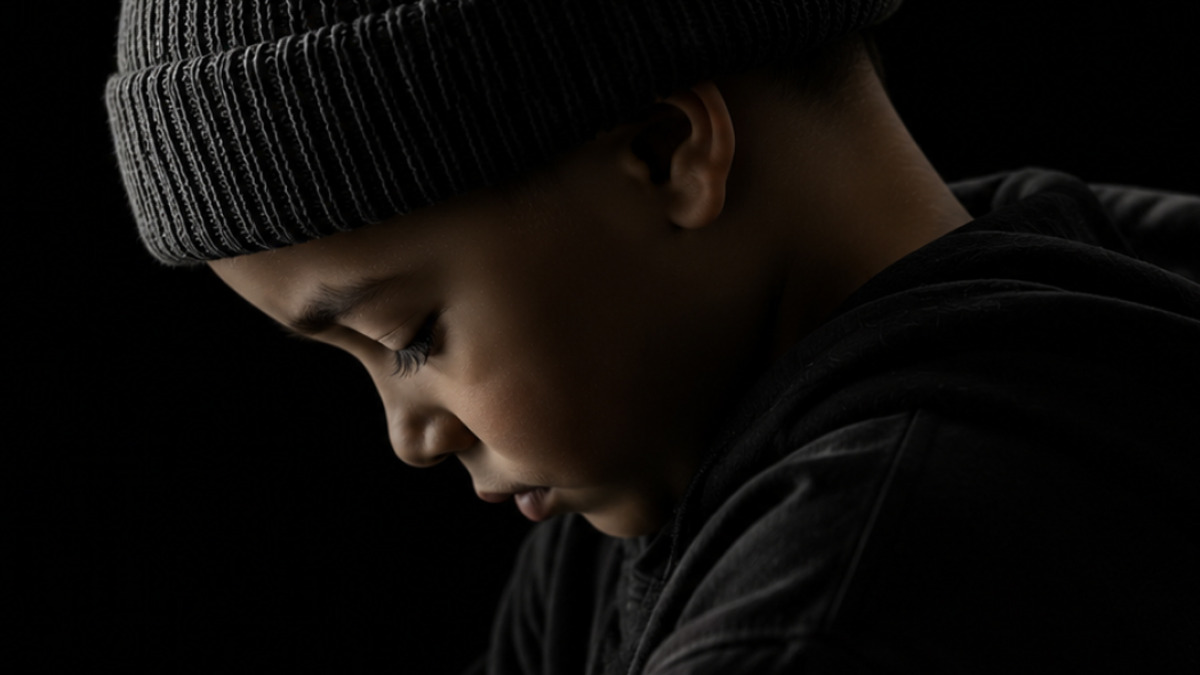
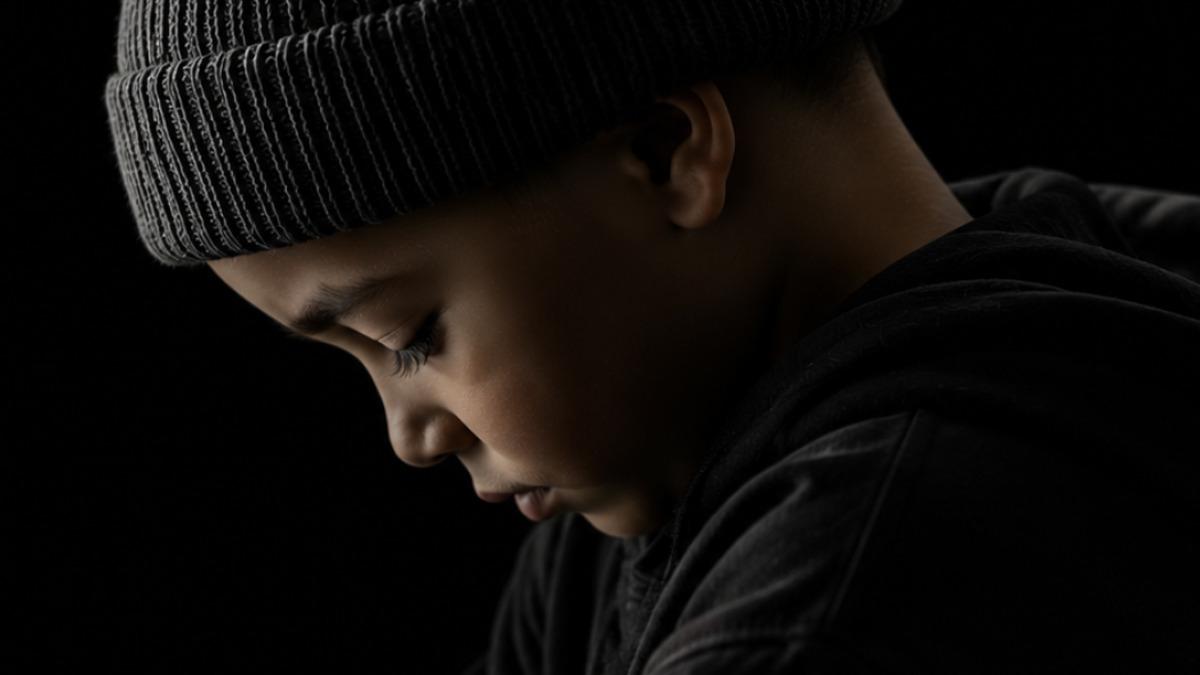
Childhood hair loss is more common than many people realize. Behind every diagnosis is a child who may be coping not only with a medical condition, but also with changes in confidence, friendships, school life, and self-image.
By understanding the causes and emotional effects of pediatric hair loss, we can respond with greater compassion—and help children feel supported, included, and seen.
How Common Is Childhood Hair Loss?
Hair loss in children can be caused by autoimmune conditions, cancer treatment, infections, burns, genetic disorders, nutritional deficiencies, and other medical conditions.
Alopecia areata alone affects approximately 2% of people worldwide at some point in their lifetime. Nearly seven million people in the United States have experienced the condition, and around 20% of cases involve children. Hair loss caused by cancer treatment also affects many young patients, although the likelihood and severity vary depending on the medications and treatment plan being used.
These numbers remind us that childhood hair loss is not an isolated experience. Many children and families are quietly navigating the same challenges.
Common Causes of Hair Loss in Children
Chemotherapy-Induced Hair Loss
Some chemotherapy medications affect rapidly dividing cells, including the cells responsible for hair growth. Depending on the treatment, a child may experience thinning hair or lose most or all of their hair.
Hair loss often begins within the first few weeks after chemotherapy starts. In many cases, the hair gradually grows back after treatment is completed, although its color or texture may temporarily change.
While hair loss is not physically painful for most children, it can make an illness suddenly visible to others. A child may feel that they look different from classmates or worry about questions, staring, or teasing.
Alopecia Areata
Alopecia areata is an autoimmune condition in which the immune system mistakenly attacks healthy hair follicles. It commonly causes smooth, round or oval patches of hair loss on the scalp, although some children may experience more extensive hair loss.
The condition can be unpredictable. Hair may regrow and later fall out again, while the pattern and severity can vary greatly from one child to another. Alopecia areata is not contagious, and children with the condition are often healthy.
Tinea Capitis
Tinea capitis, also known as scalp ringworm, is a fungal infection that can cause patchy hair loss, itching, scaling, redness, or broken hairs. It is contagious but usually treatable with prescription antifungal medication.
Because several conditions can cause similar-looking patches of hair loss, children should be evaluated by a qualified healthcare professional rather than diagnosed at home.
Telogen Effluvium
Physical or emotional stress can sometimes interrupt the normal hair-growth cycle, leading to temporary, widespread shedding. This may occur after a serious illness, high fever, surgery, major emotional stress, rapid weight loss, or nutritional deficiency.
The shedding may not become noticeable until weeks or months after the triggering event. Hair often grows back once the underlying cause has been identified and addressed.
Scarring Alopecia Caused by Burns or Injury
Severe burns, trauma, inflammation, or certain scalp conditions can damage hair follicles and create scar tissue. When follicles are permanently destroyed, hair may not grow back in the affected area.
Children living with this type of hair loss may benefit from long-term cosmetic options, including a properly fitted wig.
Congenital and Hereditary Conditions
Some children are born with sparse or absent hair because of conditions affecting the formation of the hair shaft or follicle. Other inherited disorders may cause hair to grow abnormally or break easily.
These conditions vary widely, so evaluation by a pediatrician or dermatologist is important for an accurate diagnosis and appropriate care.
Hair Loss Is About More Than Appearance
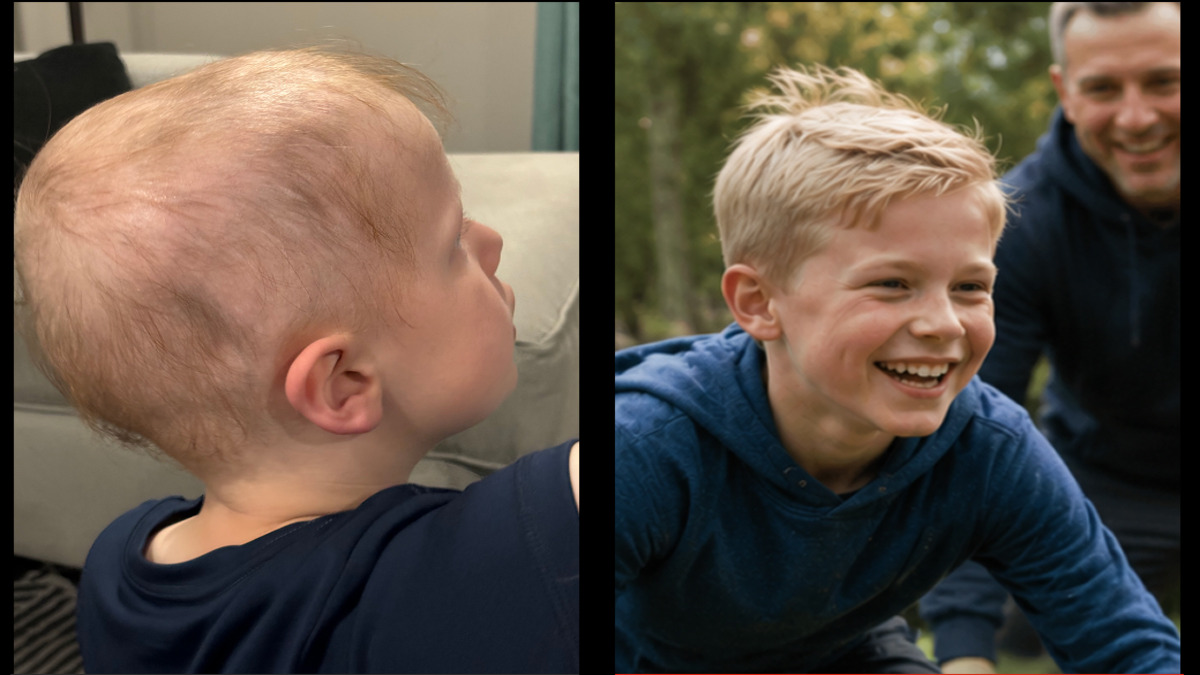
For adults, hair can feel like one part of appearance. For a child, however, it may also be closely connected to identity, belonging, and the confidence to participate in everyday life.
A child experiencing hair loss may:
- Feel uncomfortable being photographed
- Avoid school, sports, swimming, or social activities
- Wear a hat or hood even when it is uncomfortable
- Worry about being stared at or asked questions
- Experience teasing, bullying, or social isolation
- Feel that their medical condition has become visible to everyone
- In one study involving families of children receiving cancer treatment, 53% of school-attending children were reportedly bullied, and 47% did not want to attend school because of
- chemotherapy-related hair loss. Although this was one study and does not represent every child’s experience, it shows how deeply hair loss can affect a young person’s daily life.
How Parents and Caregivers Can Help
Every child responds to hair loss differently. Some children may want a wig, while others may prefer a hat, scarf, shaved head, or no covering at all. The most important thing is to listen and allow the child to participate in decisions about their appearance.
Parents and caregivers can help by:
- Acknowledging the child’s feelings without dismissing them
- Letting the child choose whether and how to cover their hair loss
- Speaking with teachers or school counselors when additional support is needed
- Preparing simple responses the child can use when classmates ask questions
- Watching for signs of anxiety, withdrawal, bullying, or reluctance to attend school
- Seeking support from a dermatologist, medical team, counselor, or support group
- A wig cannot remove the medical or emotional challenges a child is facing. But for a child who wants one, it can provide familiarity, privacy, and another way to feel like themselves.
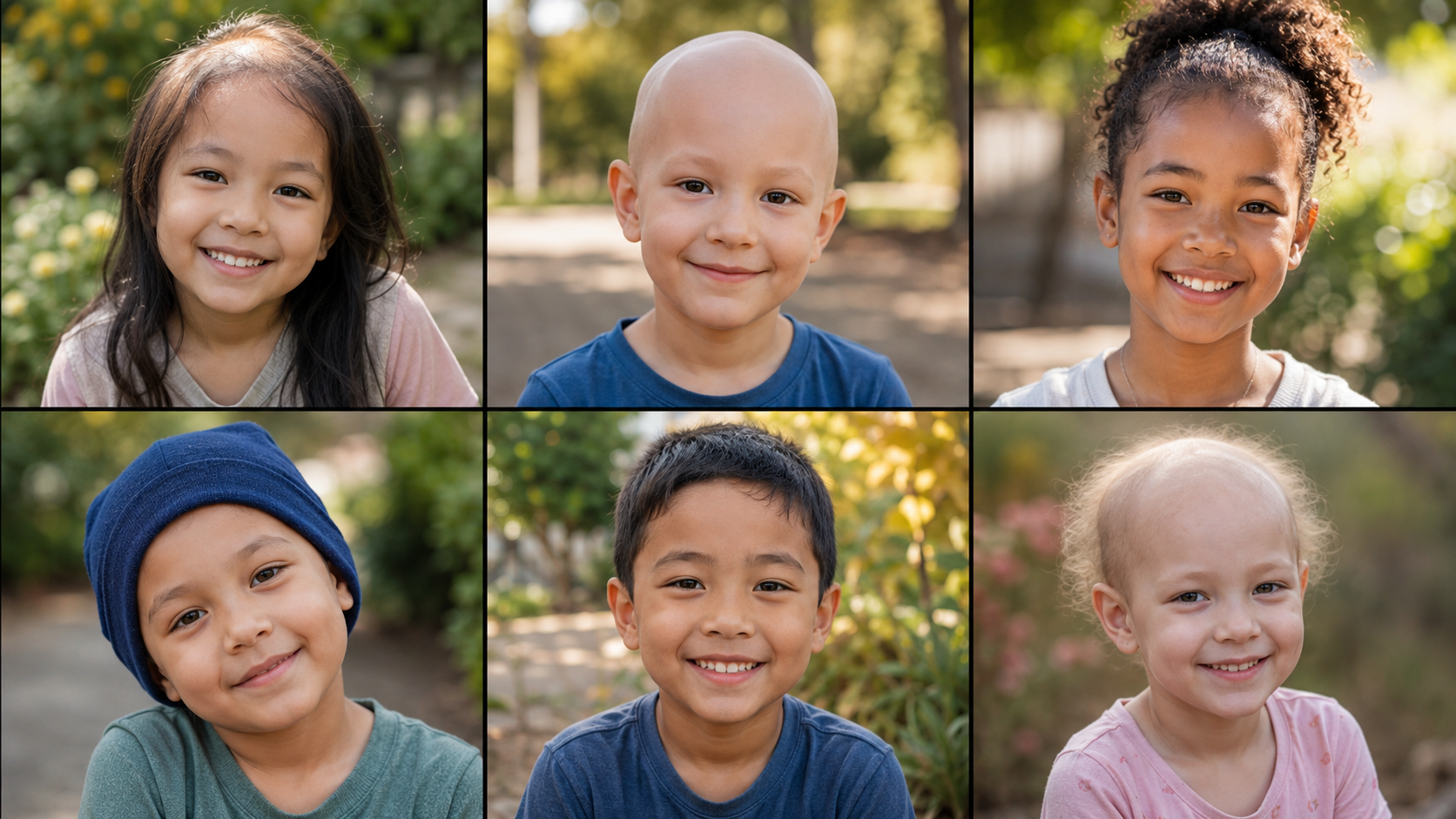
How Little Heroes Hair Helps
Little Heroes Hair is a nonprofit organization providing free, customized human-hair wigs to children ages 0–18 who are experiencing hair loss due to illness, medical treatment, burns, or congenital conditions.
Each wig is created according to the child’s measurements and preferences, including hair color, length, and hairstyle. Our goal is not to tell children how they should look. It is to give them another choice—and help them feel more comfortable and confident as they move through the world.
No child should have to face hair loss alone.
If you know a child who may benefit from a free wig, we invite you to contact us or begin an application. Families, healthcare professionals, schools, salons, nonprofit organizations, and community partners are all welcome to reach out.
You can also support our work by donating, contributing hair, volunteering, sharing our mission, or helping connect us with children and families who may need us.
Together, we can help more children rediscover their smiles—and remind them that they are supported every step of the way.
Comments
No comments yet.